



How to buy — and sell — a yacht: your questions answered
Buying or selling a yacht raises a great many questions, and the right answer often depends on detail and circumstance. That's where a trusted adviser earns their place. Our team offers honest, independent advice on every aspect of a transaction, grounded in more than 50 years of experience and given straight, whether or not it leads to a sale.
It's the advantage of a boutique, family-owned approach: you deal directly with experienced people who take the time to understand your situation and answer as an adviser, not a salesperson. The questions below cover those we're asked most often, by buyers and sellers alike. For anything else, we're always glad to talk.
Our brokers bring market knowledge, a qualified buyer or seller network, and experience negotiating complex, high-value transactions. From accurate valuation to contract, survey, and closing, a broker protects your interests at every stage — turning a process with many moving parts into a guided, bespoke experience.
The process typically runs from initial valuation and central agency agreement, through professional marketing and qualified viewings, to offer, MoA, survey/sea trial, and closing. Depending on yacht type, size, and market conditions, a sale once an agreement is made generally takes a couple of weeks for the legal arrangements, sea trial and survey as well as compiling all closing documents depending on the clients’ requirements.
Valuation is based on comparable listings, sales, age, condition, refit and maintenance history, engine hours, class status, and current market demand. With our extensive access to global sales data, market intelligence and an experienced eye on the specific yacht our team can define a honest and realistic, defensible asking price fit to current market.
MYBA is the standard used across Europe and most international transactions, typically under English law; it allows the buyer to reject the yacht at their discretion after survey and sea trial, with non-rejection by the deadline counting as acceptance. IYBA is the US-focused equivalent, typically under Florida law, requiring a material defect for rejection, with non-acceptance by the deadline counting as rejection. Which applies depends on the yacht's location, flag, and the parties involved.
Correct positioning combines a realistic price, high-quality photography and documentation, honest presentation of condition and history, and the right timing and channels to reach genuinely qualified buyers — rather than the widest possible, undifferentiated exposure. In order to define realistic pricing a thorough market understanding and research is needed combined with a candid and straightforward assessment that safeguards your interests facilitates a successful sale.
Typically: proof of ownership and registration, builder's certificate, bill of sale, class certificate (if classed), maintenance and service records, VAT status documentation, and, where relevant, a deletion certificate for flag changes — alongside the signed MoA itself.
Governing law is set out explicitly in the sale agreement and generally follows from the contract form used — English law under MYBA, Florida law under IYBA — though it can also depend on the yacht's flag state and the nationality/location of the parties. It is agreed between buyer and seller as part of the MoA.
From shortlisting and viewings through offer, negotiation, and MoA, to coordinating survey and sea trial, registration, VAT position, and closing — our brokers manages the process end to end, so the buyer only needs to make the decisions that matter based on.
Yes — the contract terms determine how. Under MYBA, the buyer may reject at their discretion within the agreed period; under IYBA, rejection generally requires a material defect identified during inspection. Deadlines are decisive in both cases, so timing is critical.
Common options include personal ownership, a corporate structure (often an offshore entity), or a trust, each with different implications for tax, VAT, liability, and privacy. The right structure depends on the buyer's individual situation, our experienced team can together specialist tax and legal counsel advise our clients.
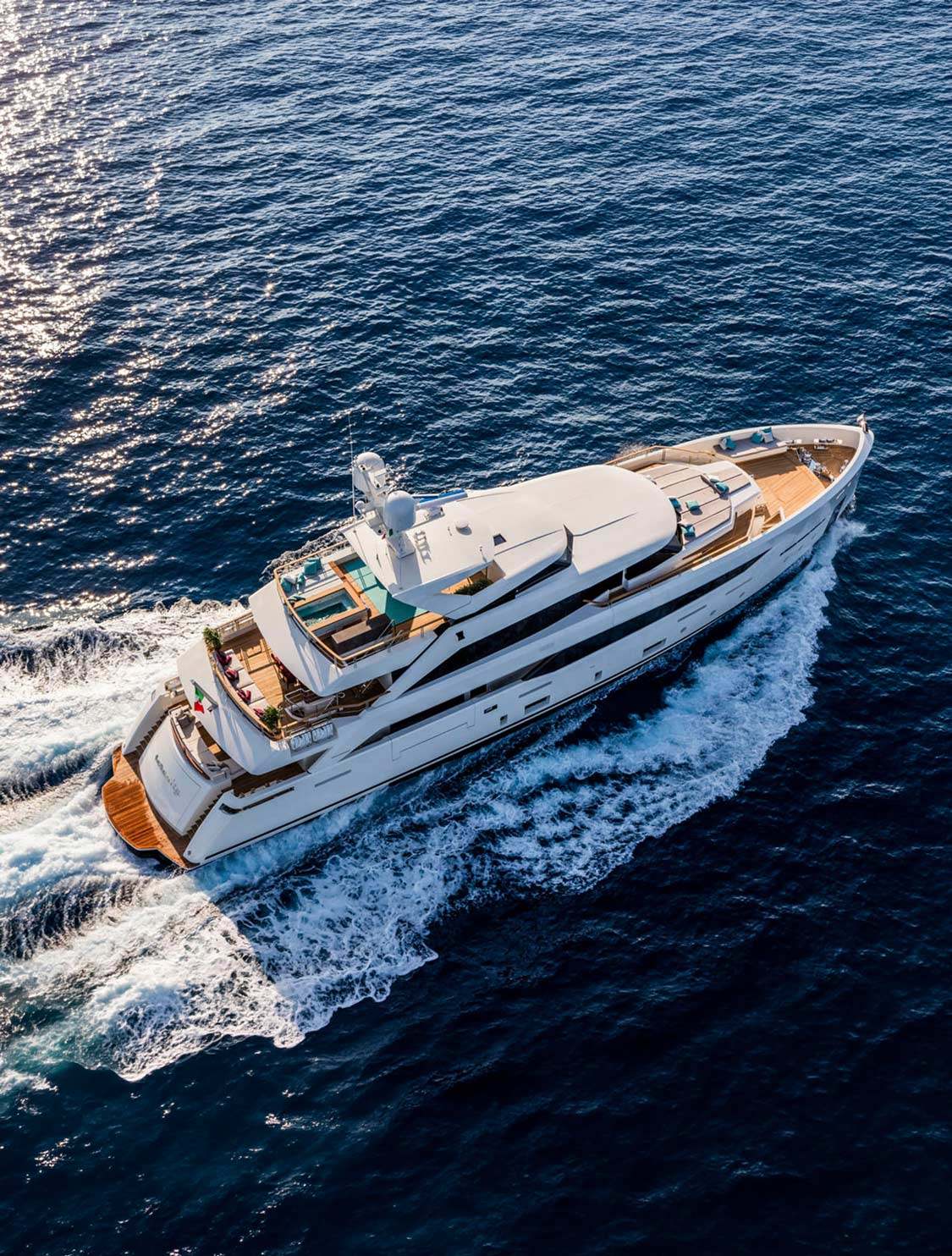
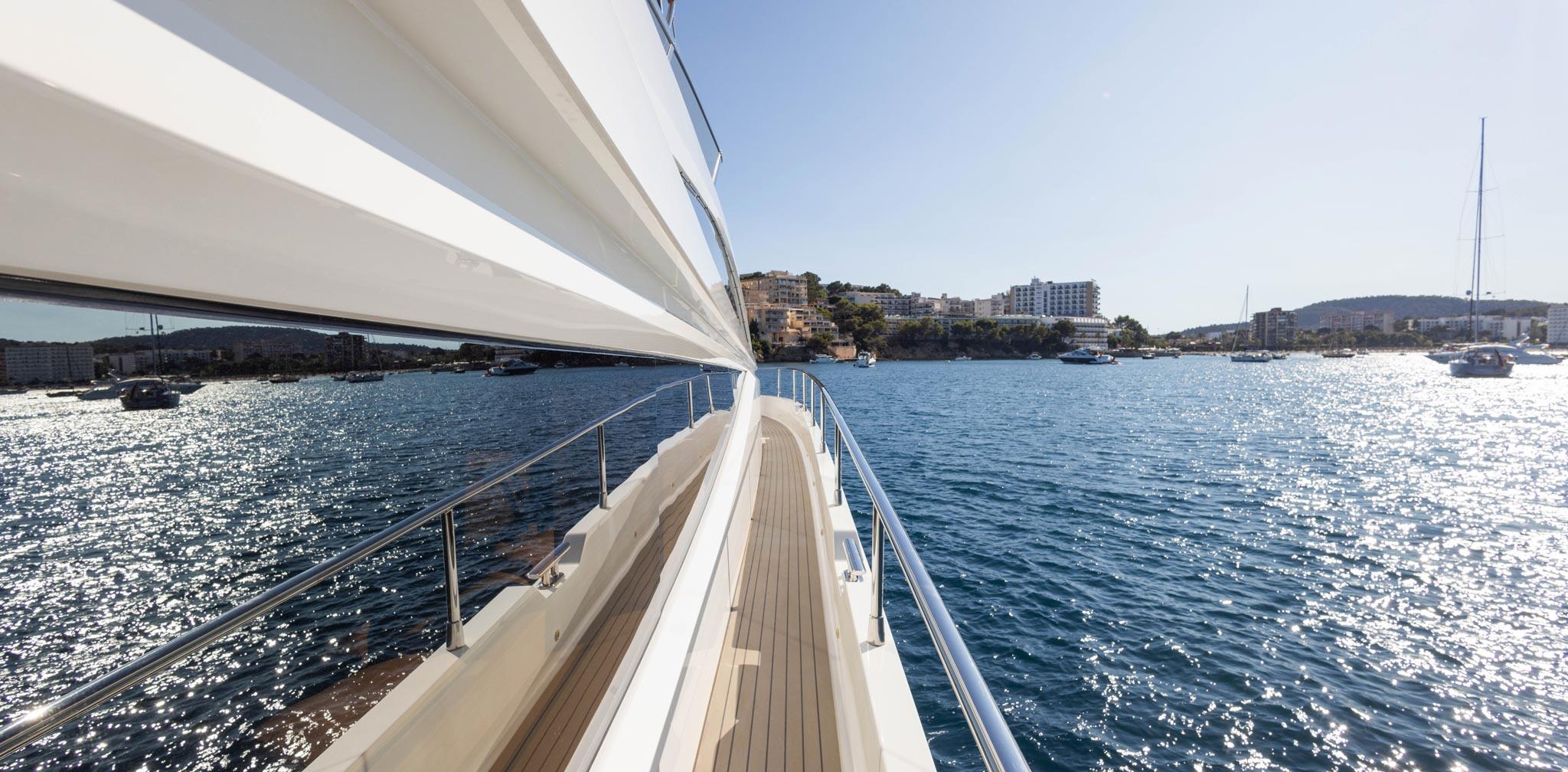
Buying a superyacht
Why choose
drettmann yachts
Latest Superyachts
FOR sale
Finding the perfect yacht to suit your individual needs can be a big challenge. Therefore, it is best to rely on the extensive know-how of Drettmann Yachts and our experienced sales team led by Yannick Altevolmer.


